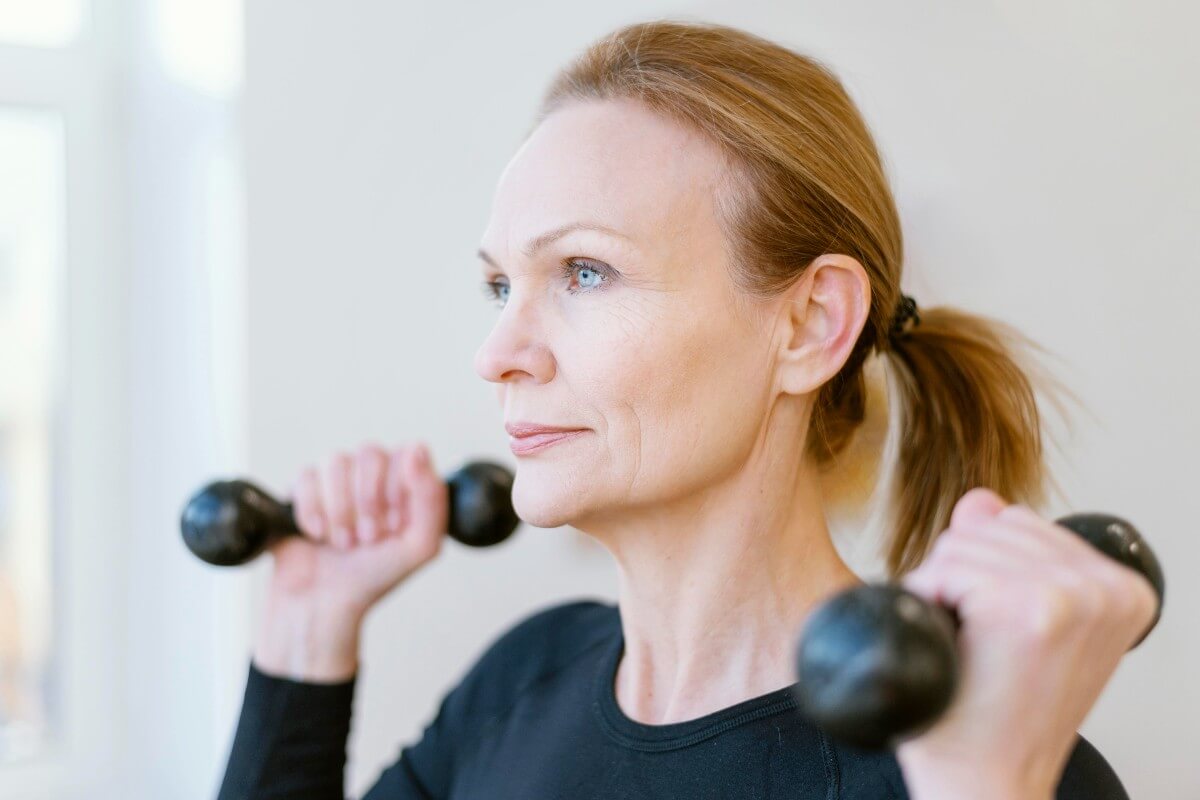

You know that day-after-a-workout feeling.
You sit down and suddenly your legs remind you of every squat you did. Stairs? Not happening without a grimace.
For those of us over 40, or just getting back into exercise, this can be a bit of a shock. I’ve been active for decades and still, if I get carried away, my body lets me know the next morning. And if you’re also dealing with something like type 2 diabetes or fatty liver disease, recovery can feel a little slower.
In the case of illnesses, I decide the amount of load in the pre-workout measurements, so if your body needs a smaller load, you’ll avoid muscle soreness and feel a good workout.
Why it happens
It’s not one single thing—it’s a mix.
Sometimes it’s those tiny muscle fiber tears (yes, microtears) that happen when you ask more from your muscles than they’re used to. Other times it’s the lactic acid build-up from intense bursts of effort. And if you’ve pushed a long cardio session, free radicals can join the party and add to the inflammation.
If you’re in good shape and training regularly, your body usually clears this up faster. But when you’re easing into a training with chronic illness program, the “bounce back” can take a little more time.
Can you stop it completely?
Not really. And honestly, that’s not the goal. A little soreness means your body is adapting.
That said, there are ways to keep it from knocking you out for days:
- Build up slowly. I mean really slowly if it’s been a while.
- Cool down for 10–15 minutes after you’re done. Gentle movement helps your body flush out the stuff that makes you ache.
- Feed your recovery. Protein, hydration, vitamin C, vitamin E—boring but they work.
If you’re following a plan like I design in Fitt Training®, this gradual progression is built in so we avoid the “I can’t move” stage as much as possible.
What if you’re already sore?
Move, but differently. Sore legs? Work your arms. Aching shoulders? Go for a walk. The idea is to keep the blood flowing without aggravating the sore muscles.
One rule I stick to: sharp, pinpoint pain is not the same as general stiffness. If it feels like an injury, rest. Always.
The short version
Soreness is feedback, not failure. It’s your body’s way of saying, “We did something new.” Learn to work with it, pace yourself, and it becomes part of the process—not something that stops you from moving forward.